
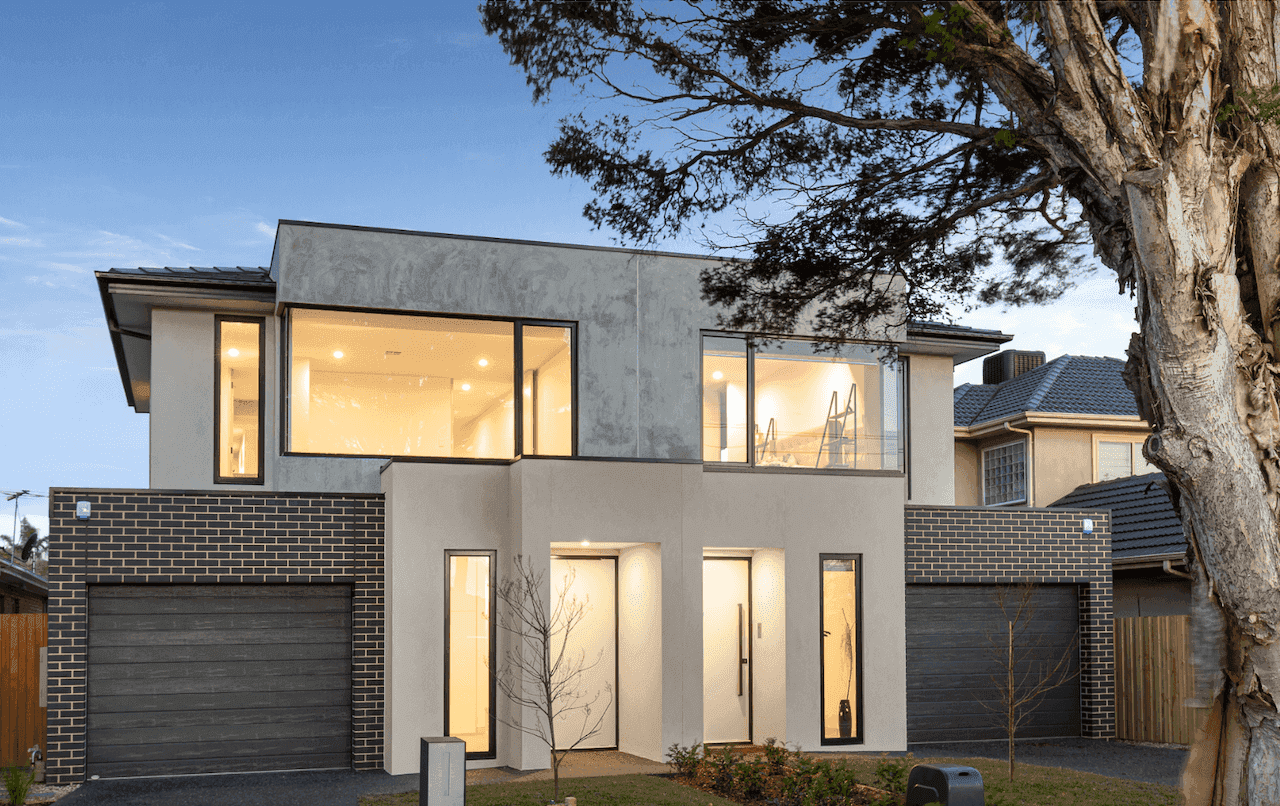
2025 Design Trends for Dual Occupancy That Add Value Without Blowing the Budget
Thinking about a dual-occupancy project in Melbourne, but worried about costs spiralling out of control? You’re not alone. More Melbourne homeowners and investors are discovering that you don’t need to spend a fortune to create two stunning, functional homes on a single block. The secret lies in choosing smart design trends that deliver maximum impact without the premium price tag.
We’ve been at this for over 15 years at Arch10, helping Melburnians work through dual-occupancy projects right across metro Melbourne – especially in council areas like Bayside, Stonnington, Boroondara, and Whitehorse. Over that time, we’ve figured out exactly which design choices actually add value and which ones just drain your wallet. So let’s have a look at the top trends shaping dual-occupancy homes in 2025 that’ll keep your project on budget while creating spaces people actually want to call home.
Sustainable Features That Pay for Themselves
Look, here’s the thing about sustainability in 2025 – it’s not some nice little extra anymore. Melbourne buyers and renters are actively hunting for eco-friendly homes, and the real bonus is that heaps of these green features will actually save you money down the track.
Solar panels are the no-brainer starting point. Sure, you’ll need to fork out some cash upfront, but with Melbourne’s power bills going through the roof, they’re paying themselves back quicker than ever while giving your property’s appeal a serious boost. Team them up with energy-efficient appliances and LED lighting in both units, and you’ve got yourself a ripper selling point that doesn’t need any fancy architectural bells and whistles.
Rainwater harvesting systems are another winner, especially for dual-occupancy projects where you’re maximising land use. Set up a decent system and it’ll handle watering the gardens and flushing the toilets in both units, slashing your water bills while ticking all those sustainability boxes – and you won’t be spending your weekends maintaining it either.
The real champion when it comes to keeping costs down, though, is passive design. Get your window placement right, throw in proper insulation, and nail the orientation, and you’ll dramatically cut your heating and cooling needs without any fancy tech whatsoever. When you’re working with experienced dual-occupancy builders Melbourne residents trust – like Arch10 – all these considerations are built into the design from day one, which means you won’t cop those expensive retrofits further down the line.
Open-Plan Living That Feels Luxurious
Nothing makes a home feel more spacious and contemporary than an open-plan layout, and the good news is that removing walls costs less than building them. In 2025, dual-occupancy homes are ditching separate formal dining rooms and closed-off kitchens in favour of flowing, flexible spaces.
The key to pulling this off without your budget is keeping the design clean and functional. A quality kitchen island with good bench space becomes your dining area, prep zone, and entertaining hub all in one. Strategic placement of your living, dining, and kitchen areas means you can maximise natural light without needing expensive skylights or additional windows.
Large glass doors connecting to outdoor areas create that desirable indoor-outdoor flow Melbourne families love, and when you factor them into your initial design with a home building cost calculator, they’re surprisingly affordable compared to the value they add. The trick is planning these features from the start rather than trying to add them later.
Smart Home Tech Without the Smart Price Tag
Smart home integration is expected in 2025, but you don’t need to install every gadget under the sun to impress buyers or tenants. Focus on practical, cost-effective tech that genuinely improves daily living.
Smart thermostats are brilliant – they optimise energy use, cut bills, and give residents control via their phones. Automated lighting systems with timers and motion sensors in common areas, like hallways, add convenience and security without breaking the bank. Security features like video doorbells have become so affordable that skipping them actually looks like a missed opportunity.
What’s brilliant about smart home features in dual-occupancy projects is that you can use the same systems in both units, which means you’ll often score better prices when you buy everything together. Voice-controlled systems through Alexa or Google Home work perfectly with most budget-friendly devices, giving your properties that modern touch buyers are actually after.
Maximised Outdoor Living Spaces
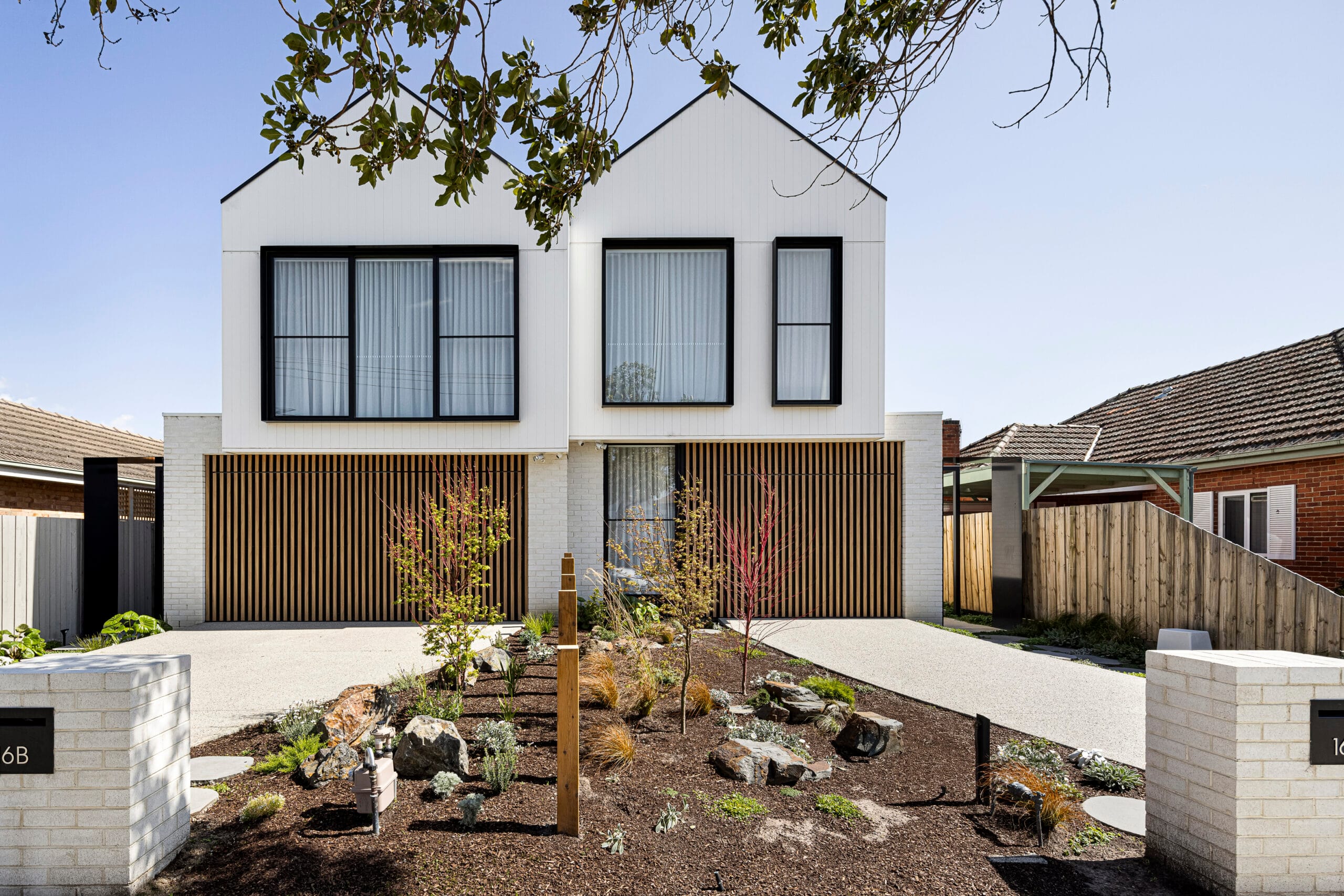 Look, we all know Melbourne’s all about the outdoor lifestyle, which means your external spaces aren’t some nice little extra – they’re absolutely essential for adding real value to your properties. The challenge with dual occupancy is creating private outdoor areas for both units without eating into your buildable space or requiring expensive landscaping.
Private courtyards for each unit deliver that sense of personal space that tenants and owners crave. Keep them low-maintenance with native plants and simple hardscaping, and you’ve got an attractive feature that won’t blow your construction or ongoing maintenance budgets.
Covered outdoor areas are worth their weight in gold in Melbourne’s changeable weather. A simple deck or paved area with a basic roof extension creates a year-round usable space. Add an outdoor power point and you’ve got an entertainment zone that significantly boosts perceived value for minimal investment.
For blocks where ground space is tight, don’t overlook rooftop options. A well-designed rooftop terrace can be surprisingly cost-effective when built into the original structure rather than added later.
Multi-Functional Spaces That Work Harder
Melbourne’s shift toward remote and hybrid work means home offices aren’t a luxury anymore – they’re expected. The clever approach for dual-occupancy projects is designing flexible spaces that adapt to residents’ changing needs without requiring custom builds.
A third bedroom that comfortably fits a desk and has good natural light becomes a legitimate home office. Add quality built-in storage that extends to the ceiling, and you’re maximising space efficiency without premium joinery costs. Murphy beds or fold-away furniture solutions are more accessible and affordable than ever, allowing rooms to transform from offices to guest rooms as needed.
Multi-use zones like upstairs retreats between bedroom wings appeal to families and professionals alike. These spaces don’t require expensive finishes – good proportions, decent lighting, and clever layout do the heavy lifting.
Quality Materials Where They Count
Here’s where working with experienced dual-occupancy builders Melbourne homeowners rely on really pays off. Not all materials need to be premium grade, but knowing where to invest makes all the difference between looking cheap and looking sleek.
Sustainable timber flooring in living areas and master bedrooms creates warmth and appeal, while quality vinyl planking in secondary bedrooms offers excellent value without compromising aesthetics. Stone benchtops in kitchens are expected, but you don’t need marble – engineered stone delivers durability and style at a fraction of the price.
Polished concrete floors work beautifully in contemporary designs and require minimal maintenance, making them perfect for laundries, bathrooms, and even open living areas if you’ve got in-floor heating. The industrial-modern aesthetic appeals to renters and buyers while keeping costs sensible.
Privacy and Soundproofing Done Right
This is non-negotiable in dual-occupancy projects, but it doesn’t require gold-plated solutions. The clever bit about layout design is that you can position bedrooms well away from any shared walls and offset the living areas – basically creating natural sound barriers without needing to fork out for expensive acoustic engineers to work their magic.
Double-glazed windows in the right spots do a brilliant job of keeping noise from travelling between units and blocking out street racket, and they’ll save you money on heating and cooling to boot. Chuck in some decent acoustic insulation in the shared walls and ceiling spaces during the build, and you’re looking at a fairly affordable investment that’ll stop headaches (and expensive fixes) down the track.
When it comes to keeping outdoor areas private, you don’t need fancy structures – a bit of strategic landscaping with the right screening plants or straightforward fencing does the trick nicely. Pick low-maintenance native species, and you’ve got year-round screening without spending every weekend in the garden.
What It All Comes Down To
Here’s the thing about these 2025 design trends – they tick all the boxes for what Melbourne buyers and renters are actually looking for, and they won’t send your budget through the roof. That’s pretty much the sweet spot you’re after. When you use a home building cost calculator early in your planning phase, you can prioritise features that deliver genuine value without the premium price tag.
We’ve been doing dual-occupancy projects at Arch10 for over 15 years now, and we’ve learned what actually works when it comes to getting the best bang for your buck while building homes people genuinely want to live in. From the moment we sit down to sketch out your design, we’re already thinking about how to keep costs sensible – which means you won’t be hit with those nasty surprise variations that blow budgets out of the water, and every design decision we make actually earns its keep.
Whether you’re building to boost your investment returns or you want to keep the extended family close by, these design trends show you don’t need deep pockets to create something really special in Melbourne. It all comes down to planning smart, working with luxury home builders who know what they’re doing, and staying focused on the features that’ll actually add value when it matters. Get those things right, and you’ll end up with a project you’re genuinely proud of – and a budget that hasn’t gone off the rails.
Ready to explore how these trends could work on your block? Reach out to the Arch10 team for an obligation-free consultation. We’ll help you understand what’s possible, what makes sense financially, and how to create dual-occupancy homes that stand out in Melbourne’s competitive market.
FAQs
Which 2025 dual-occupancy design upgrades add the most value for the least cost in Melbourne?
Solar panels are the clear winner here – they’re paying themselves back faster than ever, with Melbourne’s power bills going through the roof. LED lighting and energy-efficient appliances throughout both units are relatively cheap but make a huge difference to buyers.
Passive design features like smart window placement and proper insulation cost next to nothing extra when you build them in from the start, but they’ll slash heating and cooling bills for years. Open-plan layouts actually save money by removing walls whilst making spaces feel larger and more desirable.
How do smart layouts reduce noise transfer and improve privacy in side-by-side duplexes?
The trick is positioning bedrooms well away from any shared walls and offsetting your living areas so they’re not right next to each other. This creates natural sound barriers without needing expensive acoustic engineers. Double-brick or acoustic wall systems in shared walls do a brilliant job of keeping noise transfer down.
Strategic window placement means you’re not looking straight into your neighbour’s windows, which maintains that sense of privacy. Separate outdoor spaces with smart landscaping or fencing give each unit its own breathing room without elaborate structures.
What outdoor living ideas (courtyards, rooftop, landscaping) work best on compact Melbourne blocks at a reasonable cost?
Private courtyards for each unit work a treat on compact blocks – they give residents their own outdoor space without chewing through too much of your land. Stick with native plants and straightforward paving to keep maintenance hassles to a minimum, and you’ll have an attractive feature that won’t blow your budget.
A covered deck or paved area with a simple roof extension is all you need to create an entertaining spot you can use all year round without spending a fortune. Pocket courtyards or green walls can bring nature right into your living areas without needing huge yards. For tight blocks, rooftop terraces built into the original structure are surprisingly cost-effective.
Which materials and finishes deliver a premium look at mid-range prices for duplexes in 2025?
Engineered stone benchtops give you that quality look without the marble price tag – they’re tough as nails and look great. Timber flooring in your main living areas and master bedrooms brings real warmth to the space, while good-quality vinyl planking in the other bedrooms delivers excellent value without looking like you’ve cut corners. Polished concrete floors work beautifully in contemporary designs and need minimal maintenance – perfect for laundries, bathrooms, and even open living areas.
Double-glazed windows placed strategically boost insulation while decreasing exterior noise. Built-in cabinetry along walls keeps spaces looking clean and contemporary without premium joinery costs.
Which dual-occupancy configuration (side-by-side vs rear townhouse) offers better value on typical Melbourne sites?
It really depends on your block shape. Side-by-side designs work best on wider blocks (15m+) and give you separate street frontages, better street appeal, and no shared driveway hassles. You can design boundary to boundary, maximising each dwelling size, and they’re generally easier to sell or rent independently.
Rear townhouse designs suit deeper, narrower blocks better and let you keep an existing front home if you’re not doing a knockdown rebuild. The downside is you’ll need a shared driveway and owners corporation, which adds ongoing costs and complexity. For most Melbourne blocks, side-by-side delivers better long-term value.